When Every Brand Sounded Different
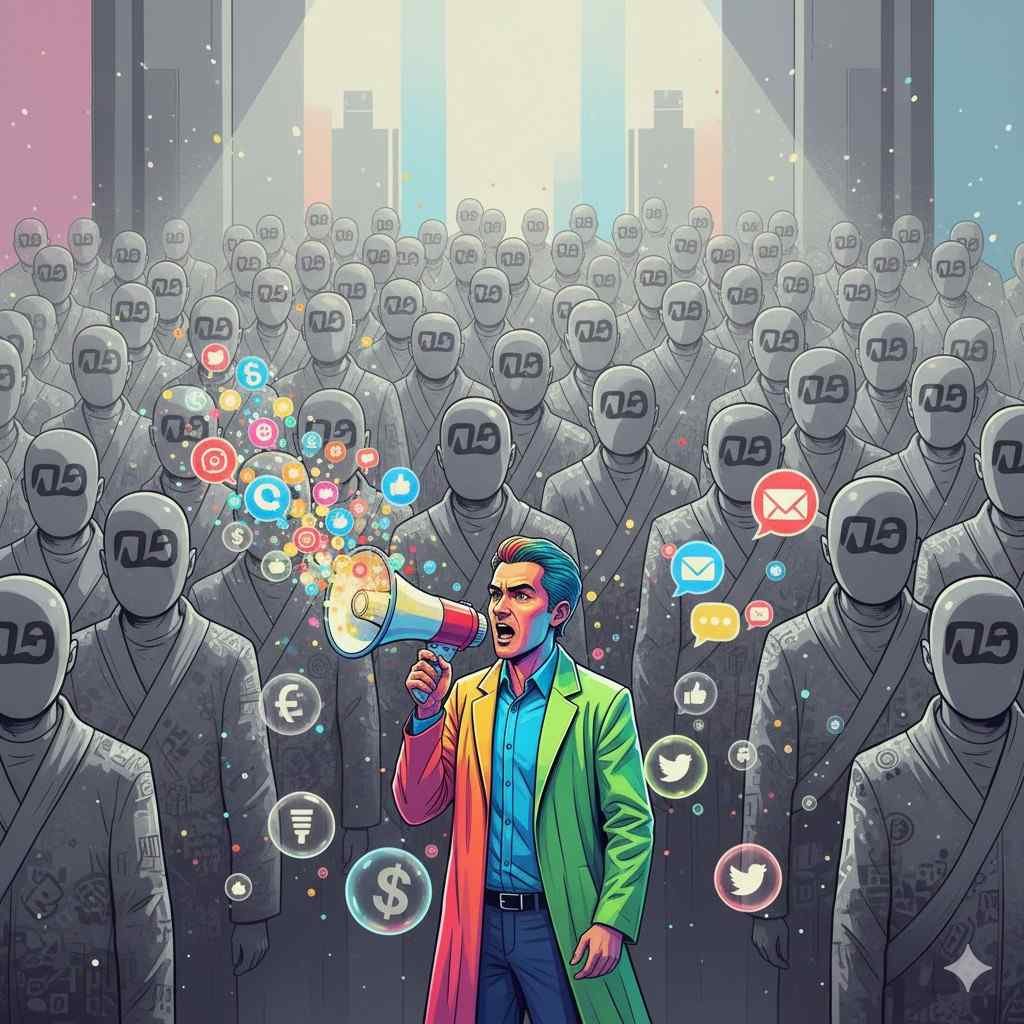
At one point, each brand had its own unique sound. A brand could be recognized just by its tone, rhythm, and choice of language. This distinctiveness was the core of a strong branding identity. This is not the case as much today. Exact sameness sets in when you look at your social media and digital campaigns. All the brands have the same calm, conversational tone. The same words are used regarding “community”, “connection”, and “authenticity”, and the same warm, inclusive, and purposeful promises are made. Painfully predictable is what was once personal. Sounds rehearsed is what was once genuine.
The Rise of Predictable Authenticity
TThe irony is that authenticity, which used to be central to modern branding and branding identity, now creates uniformity. What once meant being genuine has become a marketing strategy, repeated until it has lost its significance. Every post claims to be transparent, empathetic, or purposeful. But such words are now so overused that they don’t mean anything. These are messages audiences no longer find inspiring because they are everywhere.
What began as a challenge to corporate perfection has gradually turned into yet another formula. This marks the beginning of the branding identity crisis.
When Authenticity Became a Strategy

Authenticity once came from vulnerability. It stemmed from letting people see the humans behind the business. It was refreshing to see real photos instead of polished stock images or to read imperfect captions that felt alive. It seemed like a brand truly cared. But then algorithms rewarded this style. Marketers studied it. Agencies packaged it. Soon, being genuine became just another campaign tactic. The voice that once broke the rules became the rule itself. In the process, many brands diluted their branding identity. Now, every brand knows how to sound honest—even when it isn’t.
The Psychology of Sameness
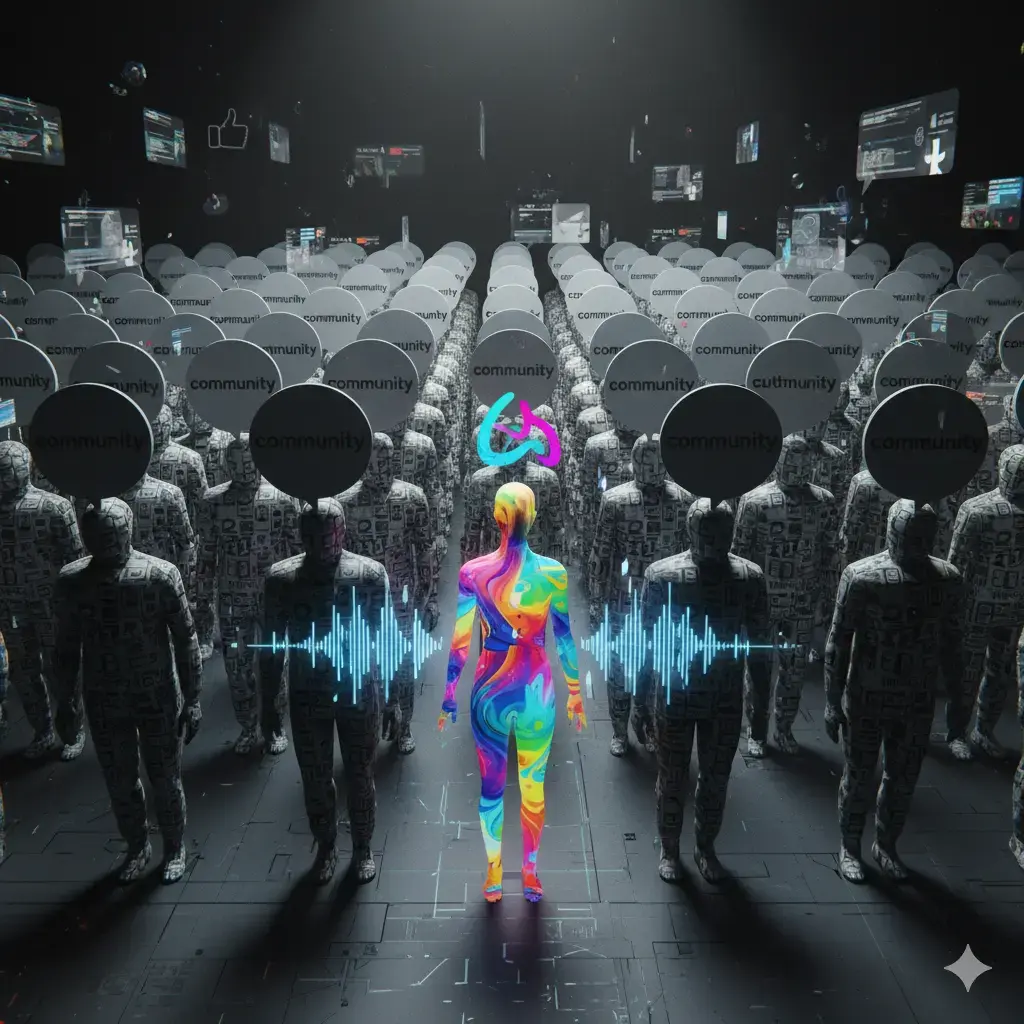
A market full of imitations is the end result. Creators, startups, and even large companies tend to experience the same emotional rollercoasters. They don’t tell us what they think – they tell us what their audiences want to hear. . They show their polished flaws to appear relatable. They speak thoughtfully and carefully.
There’s also a psychological aspect to this problem. We’re drawn to differences. We enjoy things that disrupt patterns and seem unexpected. When brands use the same words, images, and pace, we stop paying attention. Messaging without a clear branding identity gets filtered as noise. What used to grab attention now passes by unnoticed. The repetition becomes a blur, and audiences no longer take a moment to listen. They scroll past not because your message is wrong, but because it feels familiar.
The Mistake: Voice Without a Viewpoint
The main problem is that a lot of brands mistakenly believe that having a voice equates to having a viewpoint. A point of view is the reason behind your speech, whereas a voice is the manner in which you speak. Point of view is substance, and voice is style. A point of view provides meaning, direction, and purpose to your message. It gives a brand credibility, recognition, and a strong branding identity. You find something uncommon in today’s marketing when you take out the borrowed words and concentrate on what you really believe in: originality.
Rediscovering Courage and Real Connection
This is what distinguishes strong brands. They sound different for reasons other than simply having different ways of thinking. They hold opinions that not everyone will agree with, are able to speak with certainty and conviction, and when they take a stance, they never waver. Instead of trying to blend in, they foster relationships through being authentic to their values and branding identity.
Performance has nothing to do with branding. Perspective does. The secret is to communicate what matters, not what sells. Many brands have overlooked this. They no longer question whether trends accurately represent who they are because they are so consumed with following them. Polish has been exchanged for personality. Consistency has been chosen over bravery. However, monotony breeds weariness rather than loyalty. People lose interest in brands when they all sound the same. They lose emotion. And no branding identity can endure without emotion.
The solution isn’t to completely dismiss authenticity. Instead, we should reconnect with what it really means. It takes courage to express your true self, even if that self doesn’t match the algorithm. Sounding realistic has nothing to do with authenticity.It’s the courage to say things that you may or may not have financial interest in saying. It’s screaming apologies, admitting you’re wrong in public, and evolving. You can’t just create a branding identity; you have to live it.
A genuine brand speaks not to impress but to express. Being honest fosters trust rather than hiding behind trends. No marketing strategy can duplicate this trust. An honest message is rarer than a perfect one in a world where people are always being sold to.
Interestingly, the most successful brands have very distinctive sounds. Some are quiet and introspective. Others are loud and disruptive. Some focus on sharing personal stories. Others boldly challenge cultural norms. It is conviction, not tone, that unites them. They are aware of their priorities and branding identity. You can evolve and stay true to yourself, because you know who you are.
Authenticity and adaptability will be essential for branding in the future. The ability to stay true while navigating a changing world. To stay true to your branding identity even as your language, style, and emotions evolve. To express yourself differently without sacrificing values. In a digital world driven by algorithms, people will remember brands that do this and remain human. Differentiation becomes your superpower when everyone sounds the same. Clarity has more impact than volume. A distinctive brand identity makes people know you even when they don’t see your logo. . Meaning, not imitation, builds connection.
Standing out becomes advantageous when everyone sounds the same. Being unique is about clarity. Finding a voice that is genuine and dependable strengthens branding identity, allowing people to recognize it without visual cues. Instead of copying others, it’s about connecting through meaning. People feel what a brand is saying when it communicates in its own way. They trust it. They remember it. The crisis of branding identity is about losing courage, not creativity. Brands fear sounding different because it feels risky. But sounding the same carries a greater risk—slow irrelevance.
The next time you create a story, plan a campaign, or write a caption, consider whether it reflects your branding identity or sounds like everyone else’s. A brand starts to fade the moment it begins to imitate. Trying to be perfect is not how you stand out. Your voice will be messy and emotional and imperfect, but it will be yours. You represent something. The ones that truly resonate will be those that calmly and quietly express their own voice in a world where every brand is yelling. They sound authentic, not perfect.
Algorithms Didn’t Kill Originality – Fear Did
It’s a convenient scapegoat to blame algorithms for the sameness of branding and the erosion of branding identity. Platforms promote certain formats, tones, and behaviors, and brands adapt. But algorithms don’t make brands betray who they are—fear does. Fear of low reach. Fear of backlash. Fear of saying the wrong thing.
Instead of treating algorithms as tools, many brands treat them as rulebooks. They soften language, dilute viewpoints, and blur their edges. Over time, brands become optimized for performance, and personality disappears. They perform well, but their branding identity feels hollow.
Algorithms amplify what already resonates. And resonance doesn’t come from neutrality; it comes from clarity. Brands with a strong branding identity can adapt formats without losing meaning. They can work within systems without being ruled by them.
Originality doesn’t disappear because of technology. It disappears when brands stop believing in their own voice. When fear drives communication, branding identity fades. And when identity fades, no amount of reach can create real connection.
Conclusion
When anyone can be heard, distinction becomes optional. The brand identity crisis is not an issue of too much creativity—it’s an issue of too little courage. The brands that matter aren’t louder or more fashionable – they’re clearer. They have a voice of conviction, not a voice of mimicry. In an age of pitifully familiar voices, the brands that stick in people’s minds are the ones that have the courage to sound like themselves.